Source Compostable Coffee Cup Holder for Cafes, Events, and Takeout
Compare 30 listings for the Compostable Coffee Cup Holder from verified Chinese manufacturers. Buyers can evaluate options made from recycled paper pulp with customizable sizes and packaging styles for various coffee service needs; compare the available evidence and request quotations based on your requirements.
Key considerations
Products List


Disposable Compostable Cup Holder Two or Four Cup Paper Pulp Cup Holder
$0.03 - $0.03
MOQ: 60000 Pieces


Disposable Paper Holder Reusable Cup Carrier Coffee Paper Pulp 4 Cup Holder
$0.03 - $0.03
MOQ: 60000 Pieces


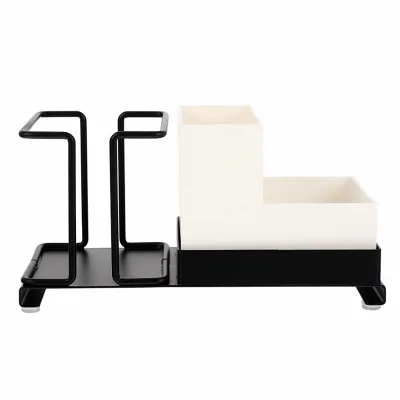

Paper Cup Holder 2 Coffee Paper Cup Holder Take Away Carrier Coffee Paper Cup Holder
$0.01 - $0.05
MOQ: 30000 Pieces


Comprehensive Sourcing Guide
Compostable Coffee Cup Holder Sourcing Guide
Sourcing compostable coffee cup holders requires a clear understanding of material science and end-of-life infrastructure. Buyers must distinguish between certified compostable products and those merely labeled as biodegradable, as the latter may not break down in industrial facilities. The primary decision involves selecting between paper-based pulp structures and plastic-composite alternatives, each offering different durability and aesthetic profiles. Paper pulp options provide a natural, rustic appearance suitable for eco-conscious branding, while composite materials offer enhanced moisture resistance for hot beverages.
Procurement teams should prioritize suppliers who transparently disclose their raw material sources and manufacturing processes. The visual appeal of the holder, often characterized by kraft paper tones or black finishes, plays a significant role in brand alignment. However, aesthetic choices must not compromise structural integrity. Buyers need to verify that the chosen material can withstand the weight and heat of standard coffee cups without warping or leaking. This balance between environmental claims and functional performance is the cornerstone of a successful sourcing strategy for this category.
Product Scope and Observed Listing Signals
Market listings reveal a diverse range of cup storage solutions, including dedicated cup holders and packaging sets. Observed product models such as BR5589 and BR5644 indicate standardized dimensions, while others like A20240808-2 suggest customizable sizing options. The scope extends beyond simple holders to include coffee packaging bag sets, highlighting a broader ecosystem of sustainable packaging. Buyers should note that some listings feature stand-up pouches with custom printing, indicating a trend toward integrated branding solutions. This variety allows for flexible procurement strategies that can align with specific retail or hospitality needs.
The observed price range of 0-19 USD suggests significant variation based on volume and customization levels. Minimum order quantities (MOQs) vary widely, from small batches of 2 units to large industrial orders of 500,000 pieces. This disparity underscores the importance of aligning order volume with supplier capabilities. Some suppliers offer export carton packing, while others provide flat bottom pouches or upright bag styles. Understanding these listing signals helps buyers anticipate logistical requirements and inventory management strategies, ensuring that the selected products fit within their operational framework.
Technical Specifications to Verify
Dimensional accuracy is critical for ensuring compatibility with standard coffee cup sizes. Buyers should verify specifications such as 415x210xH210mm or 400x240xH235mm, depending on the intended cup capacity. Some products offer customized sizes, including 22511545mm and 22522550mm, to accommodate unique branding or cup designs. Weight specifications, such as 38g, provide insight into material density and potential cost implications. It is essential to confirm that the holder’s internal geometry securely grips the cup without slipping, especially when the cup is hot or wet.
Material composition directly impacts performance and sustainability claims. Products may be made from recycled paper pulp or plastic composites like PE/Pet and PE/PE EVOH. Buyers must verify whether the material is truly compostable or merely recyclable, as this distinction affects disposal methods. Features such as moisture proofing and bio-degradability should be validated through supplier documentation. Additionally, checking the production capacity, which can range from 540,000 to 700,000 pieces per hour, helps assess the supplier’s ability to meet large-scale demand without compromising quality or lead times.
Compliance and Safety Documentation
Regulatory compliance is non-negotiable for compostable products, particularly in markets with strict environmental laws. Buyers should request certifications such as CE/EU, BRC, SGS, ISO9001:2015, BSCI, TUV, DIN, and Bpi to verify manufacturing standards. These certifications indicate adherence to quality management and social responsibility principles. It is crucial to confirm that the compostability claims are backed by recognized standards, such as ASTM D6400 or EN13432, although specific test results should be verified directly with the supplier. Documentation should clearly state the conditions under which the product decomposes, such as industrial composting facilities.
Safety documentation also includes information on material safety and chemical composition. Buyers should ensure that the materials used do not leach harmful substances into hot beverages. Certifications like BRC and ISO9001:2015 suggest a robust quality control system, reducing the risk of contamination. Additionally, verifying the supplier’s compliance with labor standards through BSCI audits is important for ethical sourcing. Buyers must also check for any specific regional regulations that may apply to their target markets, ensuring that the products meet all local legal requirements for compostable packaging.
Cost Drivers and Commercial Terms
Several factors influence the final cost of compostable coffee cup holders, including material selection, customization, and order volume. Custom printing and logo embossing add to the production cost but enhance brand visibility. The choice between recycled paper pulp and plastic composites also affects pricing, with composite materials often being more expensive due to their durability and moisture resistance. Buyers should negotiate based on total landed cost, including shipping and duties, rather than just the unit price. Understanding these cost drivers helps in making informed decisions that balance budget constraints with quality expectations.
Commercial terms such as lead time and payment conditions are critical for supply chain planning. Typical lead times range from 7 to 14 days, but this can vary based on order size and customization requirements. Buyers should clarify packaging details, such as export carton specifications, to optimize logistics. MOQs can be as low as 10,000 pieces for some products, offering flexibility for smaller buyers. It is advisable to establish clear communication channels with suppliers to manage expectations regarding production schedules and potential delays, ensuring a smooth procurement process.
Supplier Qualification and Quality Control
Evaluating supplier qualifications involves assessing their manufacturing capabilities and quality assurance processes. Buyers should verify the supplier’s location, with many operating in Guangdong and Zhejiang, China, which are known for their packaging industries. Checking the supplier’s production capacity and history with similar products provides insight into their reliability. It is also important to review their customer feedback and references to gauge their reputation in the market. A qualified supplier should demonstrate a commitment to continuous improvement and customer satisfaction, ensuring consistent product quality.
Quality control measures should be clearly defined and enforced throughout the production process. Buyers should request samples for testing before placing large orders to verify material quality and structural integrity. Implementing regular inspections during production can help identify and address issues early. Suppliers should provide detailed quality reports, including test results for moisture resistance and compostability. Establishing a clear protocol for handling defects and returns is essential for maintaining supply chain stability. Building a strong relationship with the supplier through regular communication and feedback can lead to better collaboration and improved product outcomes.
Long-Term Procurement Checks
Sustainable sourcing requires ongoing monitoring and evaluation to ensure alignment with environmental goals. Buyers should regularly review supplier performance metrics, including on-time delivery rates and product quality consistency. Tracking changes in regulatory requirements is crucial, as compostability standards may evolve over time. Engaging in periodic audits of the supplier’s facilities can help verify compliance with ethical and environmental standards. Additionally, staying informed about advancements in compostable materials can provide opportunities for innovation and cost savings.
Building a resilient supply chain involves diversifying suppliers and maintaining open lines of communication. Buyers should develop contingency plans for potential disruptions, such as raw material shortages or logistical challenges. Regularly updating procurement strategies based on market trends and supplier capabilities ensures long-term success. Collaborating with suppliers on product development can lead to customized solutions that better meet customer needs. By prioritizing transparency and sustainability, buyers can contribute to a more responsible and efficient packaging ecosystem, enhancing brand value and customer loyalty.
FAQs
What customization options are available for the cup storage stand?
Customization is available for the cup storage stand, allowing buyers to tailor specific attributes to their needs. The product supports custom printing for logos and offers flexible size options to match various coffee cup dimensions. This ensures the holder fits specific branding and functional requirements effectively.
Which certifications do the coffee packaging bags meet?
The coffee packaging bags hold multiple certifications including CE, EU, BRC, SGS, ISO9001:2015, BSCI, TUV, DIN, and Bpi. These credentials verify that the materials and manufacturing processes meet international safety and quality standards. Buyers can rely on these documents to ensure compliance with global regulatory requirements for food contact materials.
How long is the lead time for ordering custom bags?
The lead time for ordering custom bags ranges from seven to fourteen days after order confirmation. This timeframe applies to the production of stand-up pouches and flat-bottom pouches made from PE or PET materials. Buyers should plan their inventory accordingly to accommodate this standard production window for custom orders.
Can I find cup holders made from recyclable paper pulp?
Yes, cup holders made from recyclable paper pulp are available in the product range. These items feature a kraft color and are designed to be bio-degradable. They come in specific dimensions like 225 by 115 by 45 millimeters and are packed in cartons for efficient shipping and storage.
What is the minimum order quantity for the plastic bags?
The minimum order quantity for the plastic bags is ten thousand pieces. This MOQ applies to the stand-up pouches and flat-bottom pouches made from polypropylene or PE materials. Buyers must meet this threshold to initiate production for custom printing and specific size requirements.
Which locations supply the cup storage stands and holders?
The cup storage stands and holders are supplied from Guangdong and Zhejiang provinces in China. These locations serve as the primary origins for the manufacturing of both the plastic and paper-based cup holders. Buyers can expect logistics and shipping arrangements to originate from these specific Chinese regions.
What materials are used for the coffee packaging bags?
The coffee packaging bags are constructed from PE/PET and PE/PE EVOH materials. These materials provide moisture-proof properties and ensure the freshness of the coffee contents. The bags are available in various shapes including upright bags and can be customized with up to ten colors for branding purposes.